


Our areas of expertise for patents, trademarks and designs

Technical & legal expertise – our focus for your innovation success

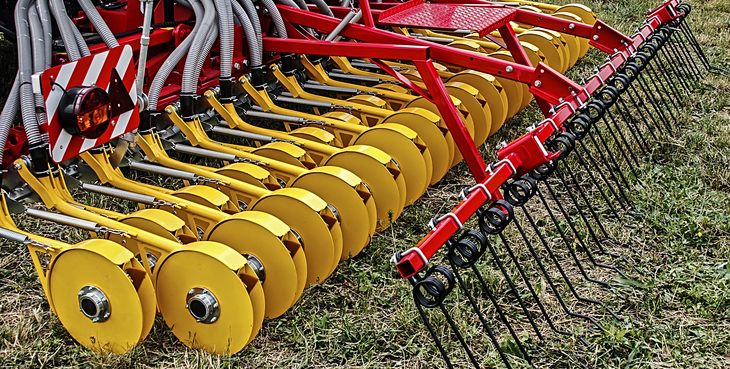
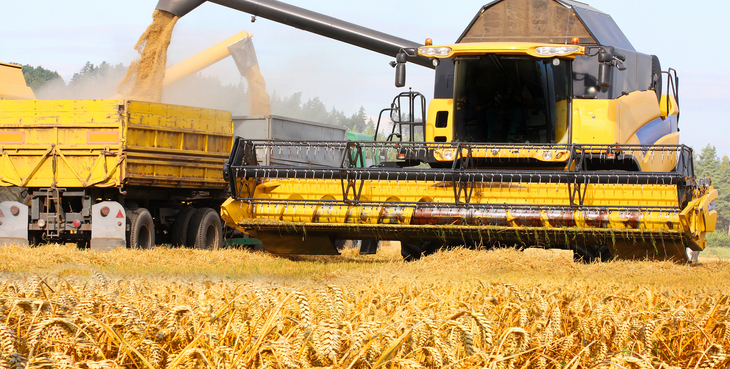
Agricultural & forestry technology

Both agricultural technology and forestry technology are characterized by enormous innovation potential, which is driven in particular by efforts to develop more efficient machines and processes. This results in an increasing degree of automation. As the world’s population grows, the focus is on environmentally friendly and sustainable production for food and non-food purposes. This production should also be designed to be resource-efficient.

FAQ

It covers innovations in agricultural and forestry machinery, processes and automation, with a focus on sustainability and resource efficiency.

Because many innovations – e.g. sensor technology, control systems or improved components – can be protected in order to secure competitive and market opportunities.

We examine protectability, draft applications at the German Patent and Trademark Office and support opposition or nullity proceedings.

Yes – we advise you on territorial expansion (e.g. EP patents, international applications) and on strategy for foreign markets.

Contact person

Location Stuttgart, Heilbronn

Dr. Thomas Müller, LL.M.

Telephone

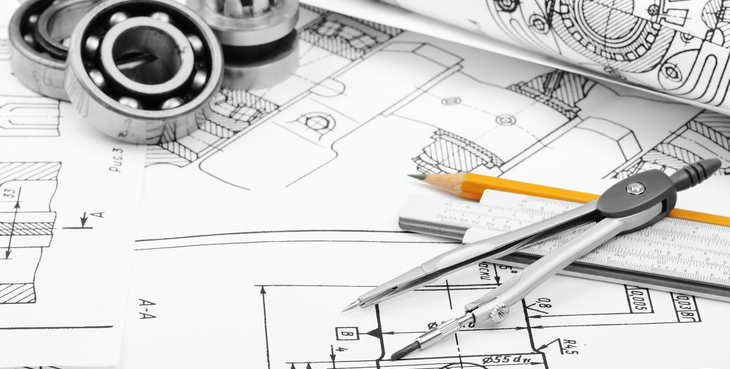
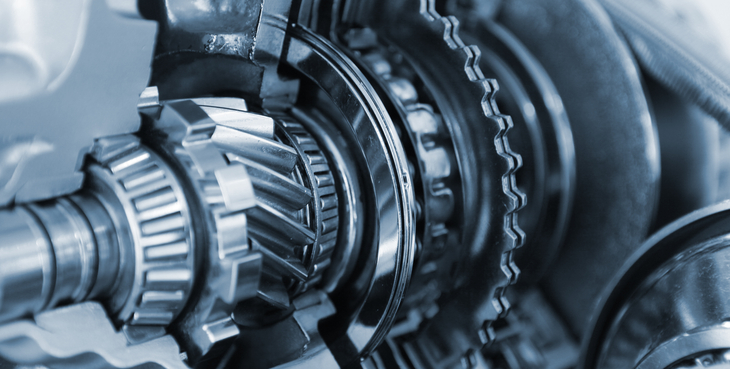
General mechanical engineering

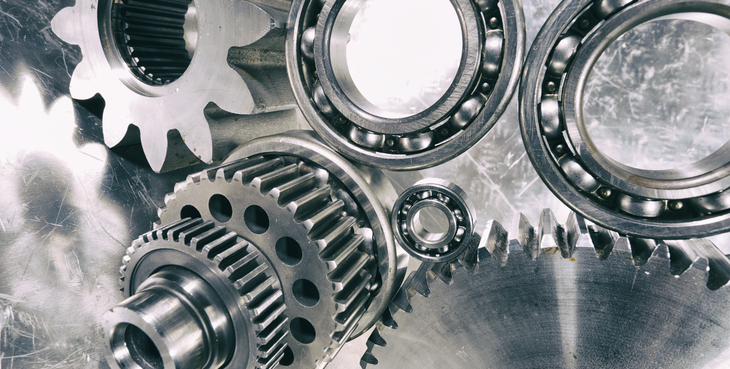
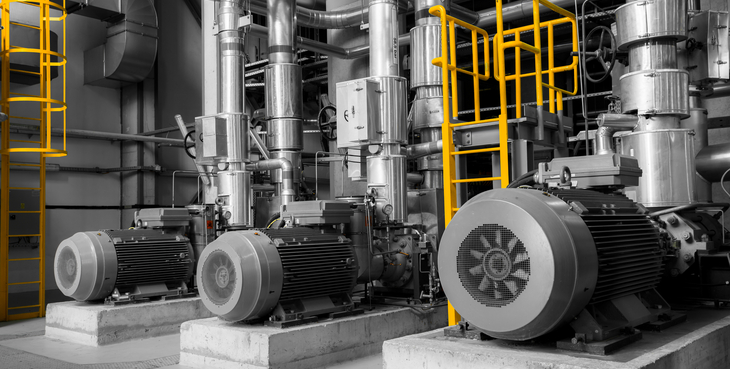
General mechanical engineering is one of the classic engineering disciplines and forms the basis of numerous technical innovations. It encompasses the development, design and manufacture of machines and machine elements using mechanics, materials science, production and automation technology.

Typical areas of application range from power and work machines, drive technology and fixture construction to machine parts and industrial production systems. In patent law, these technical solutions are predominantly assigned to Section F of the International Patent Classification (IPC).

FAQ

It covers the development, design and production of machines, assemblies and machine elements for a wide range of industrial applications.

These include mechanics, production engineering, automation, materials science and drive and transmission technology.

Innovative designs, functional principles or technical improvements can be specifically protected and secure long-term competitive advantages.

We examine protectability, prepare patent applications and represent your interests before the German Patent and Trademark Office and at international level.

Contact person

Location Stuttgart, Heilbronn

Dr. Thomas Müller, LL.M.

Telephone

Magdeburg location

Günter Herzog

Location Stuttgart

Dr. Knut Wittich, M. Sc.

Telephone

Inorganic chemistry

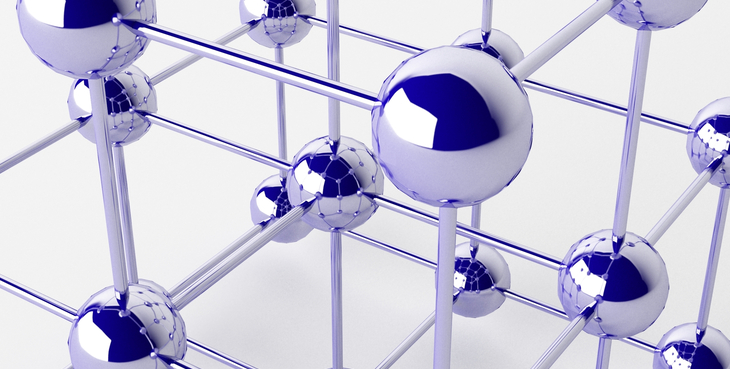
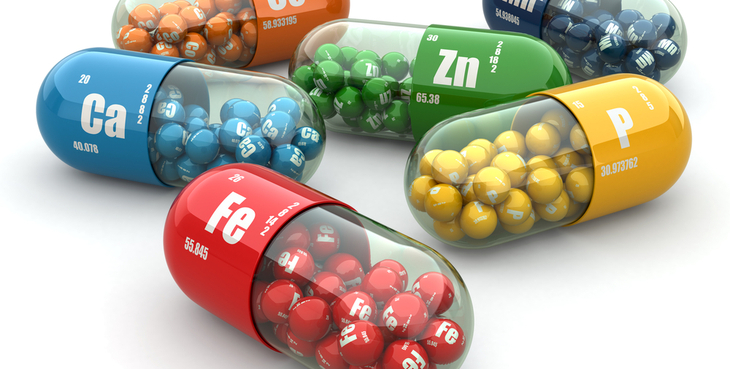
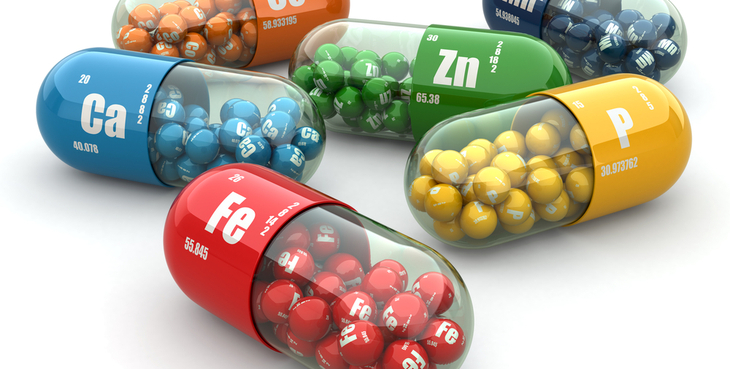
Inorganic chemistry deals with elements and chemical compounds without hydrocarbon bonds. It forms a central basis for numerous industrial applications and includes salts, metals, non-metals and complex inorganic compounds.

Depending on the structure and networking, the contents of inorganic chemistry can be assigned to solid state chemistry and molecular chemistry, among others. In patent law, innovations in this field are predominantly anchored in IPC classes C01 to C06, with C01 being the main class.

FAQ

It includes the research, production and application of inorganic materials such as metals, salts, ceramics and complex compounds.

Typical areas of application can be found in materials development, catalysis, energy technology, environmental technology and the chemical industry.

New substances, manufacturing processes or technical applications can be specifically protected and economically safeguarded.

We examine patentability, draft patent applications and support examination, opposition and grant proceedings both nationally and internationally.

Contact person

Location Stuttgart

Dr. Knut Wittich, M. Sc.

Telephone

Apparatus & plant engineering

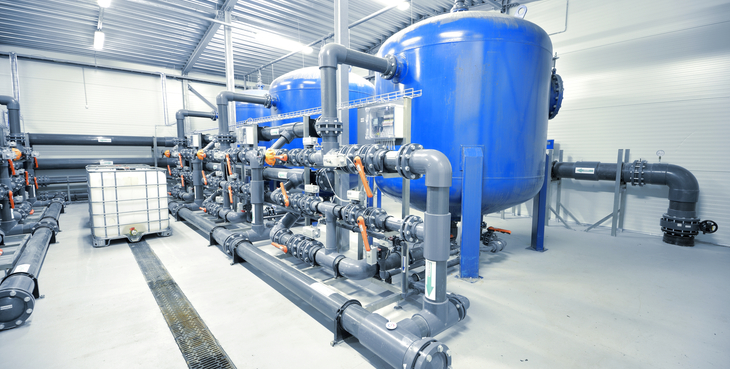
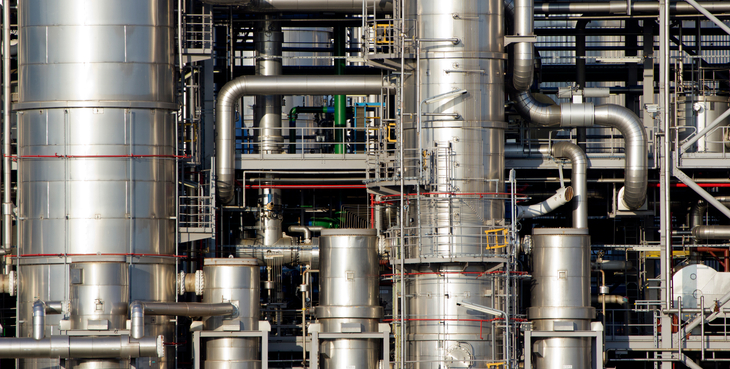
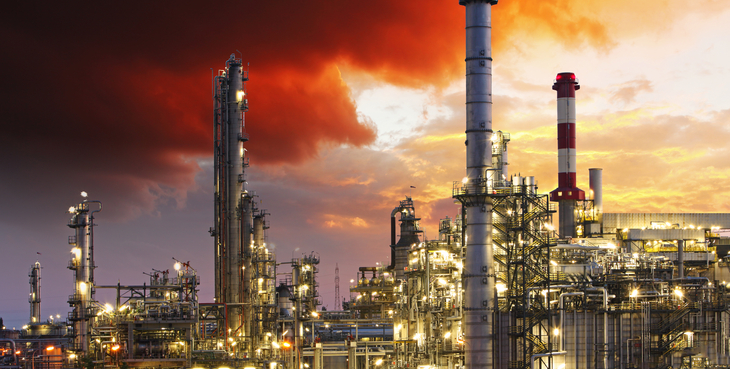
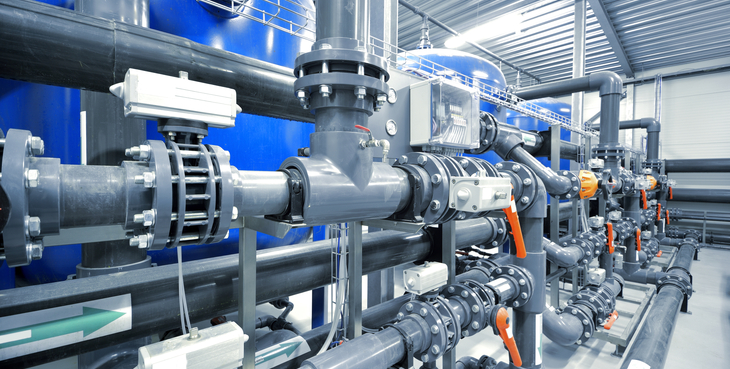
Apparatus and plant engineering is by no means an independent discipline, but rather a highly interdisciplinary field of work. Here, working methods and ways of thinking are based in equal parts on mechanical engineering, process engineering unit operations and process technology. Apparatus and plant components as well as plant concepts are to be designed on the basis of these process engineering processes, whereby life cycle factors – production, construction and operation – are taken into account.

FAQ

Planning, design and integration of equipment and system components, taking into account life cycle, production and operation.

Elements from mechanical engineering, process engineering and process technology are combined to design systems that are functional and efficient.

On innovative assemblies, control processes, use of materials, life cycle optimization and novel combination solutions.

You receive a protection analysis, we prepare the application and accompany you through opposition, examination and defense proceedings – nationally and internationally.

Contact person

Location Stuttgart, Heilbronn

Dr. Thomas Müller, LL.M.

Telephone

Magdeburg location

Günter Herzog

Location Stuttgart

Dr. Knut Wittich, M. Sc.

Telephone

Building industry

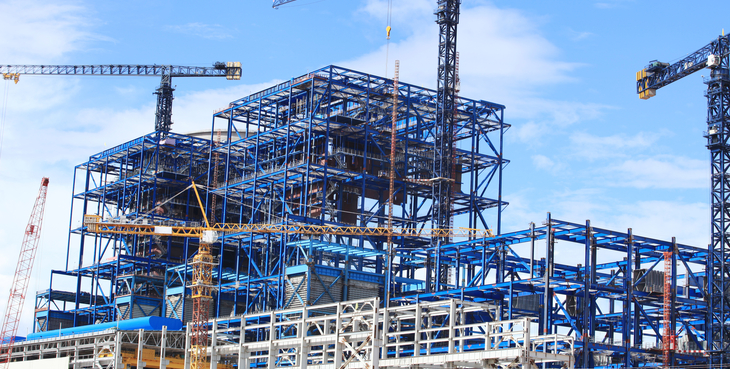
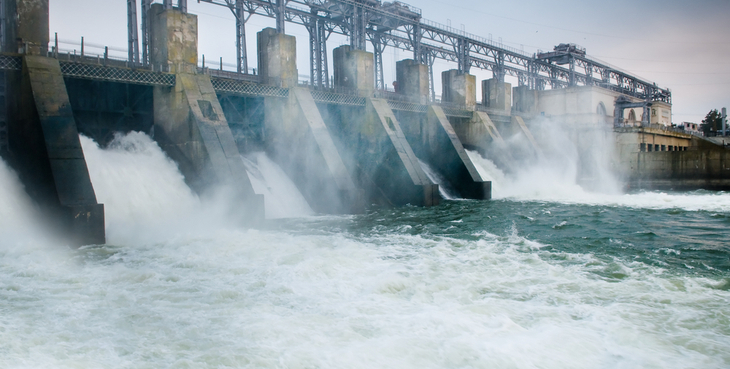
The field of civil engineering combines civil engineering and architecture and covers the planning, construction, reconstruction and renovation of buildings. In addition to structural engineering aspects, the focus is also on construction processes and design solutions.

In contrast to purely technical disciplines, design and architectural elements also play a central role in the construction industry and are often protected by design law. Typical areas of application range from building construction and civil engineering to civil and hydraulic engineering to gardening and landscaping. In patent law, construction innovations are predominantly assigned to Section E of the International Patent Classification (IPC).

FAQ

It includes technical and design solutions for the planning, construction and renovation of buildings and structures.

These include building construction, civil engineering, civil engineering, hydraulic engineering and various construction methods such as solid construction or prefabricated construction.

In addition to patents, design protection and utility models are particularly relevant for design and construction innovations.

We advise on the appropriate protection strategy, examine protectability and support applications and enforcement proceedings at national and international level.

Contact person

Location Stuttgart, Heilbronn

Dr. Thomas Müller, LL.M.

Telephone

Magdeburg location

Günter Herzog

Distilling

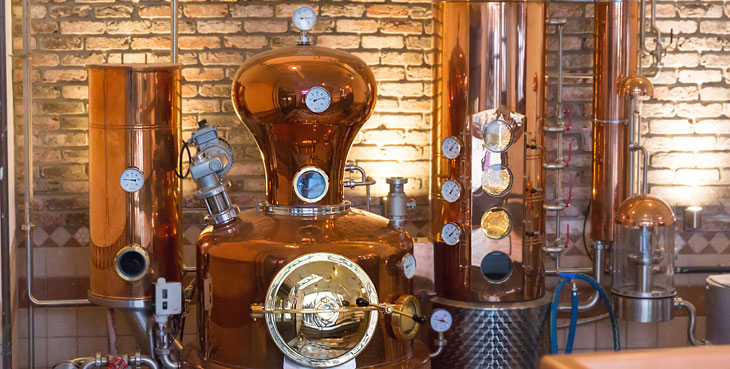
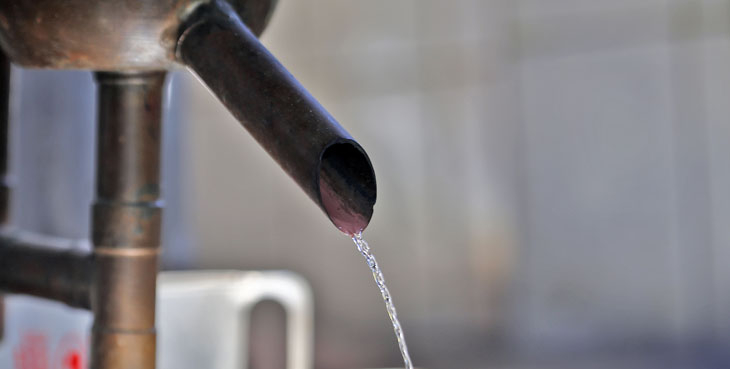
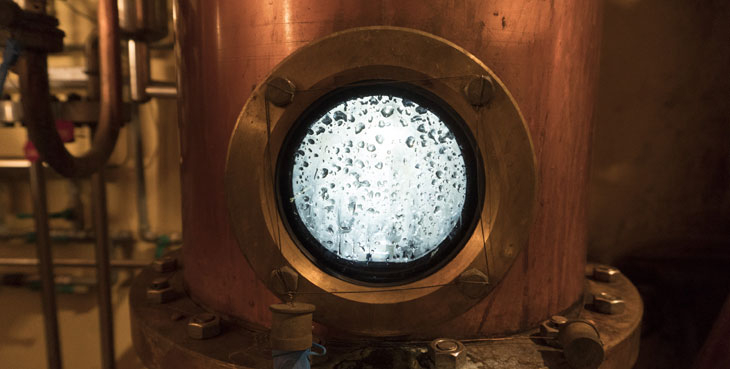
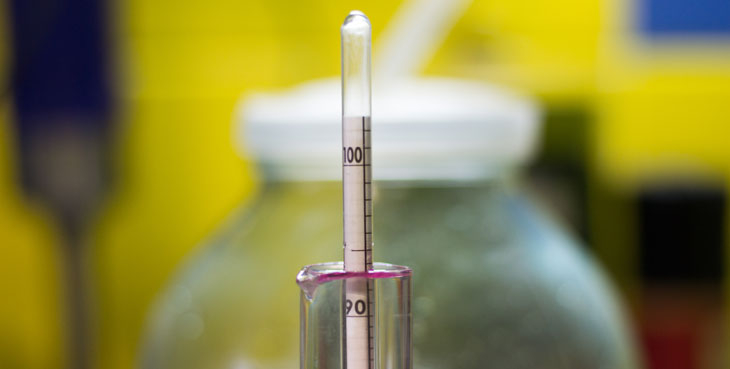
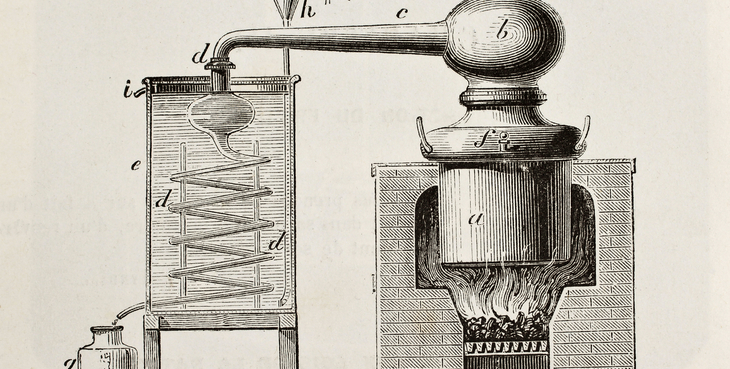
The distilling industry looks back on thousands of years of tradition and has developed into a highly modern technical field. In addition to the traditional production of distillates, today it also includes innovative distillery technology, analytics and optimized fermentation and distillation processes.

In addition, the distilling industry deals with the production and processing of raw materials as well as ecological aspects and sustainable landscape conservation. Technical innovations in this area offer a wide range of starting points for industrial property protection.

FAQ

It includes fermentation and distillation processes, modern distillery technology, analytics and the processing of agricultural raw materials.

New distillation processes, plant concepts, control systems or optimized manufacturing processes are among the areas eligible for protection.

In addition to patents, utility models and designs can also be relevant for technical or creative solutions.

We examine the protectability of technical developments, prepare applications and assist you in national and international patent law.

Contact person

Location Stuttgart, Heilbronn

Dr. Thomas Müller, LL.M.

Telephone

Electrical engineering

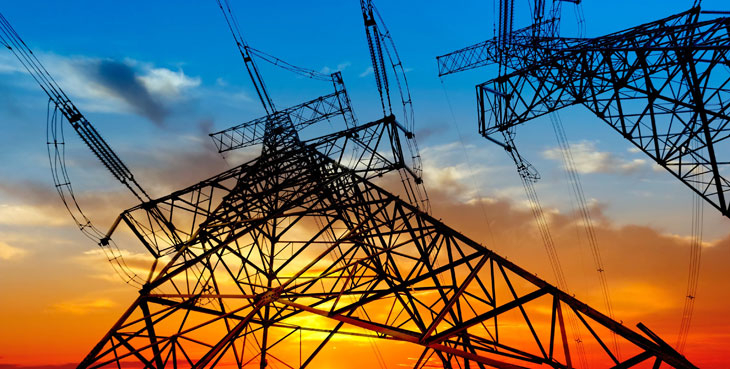
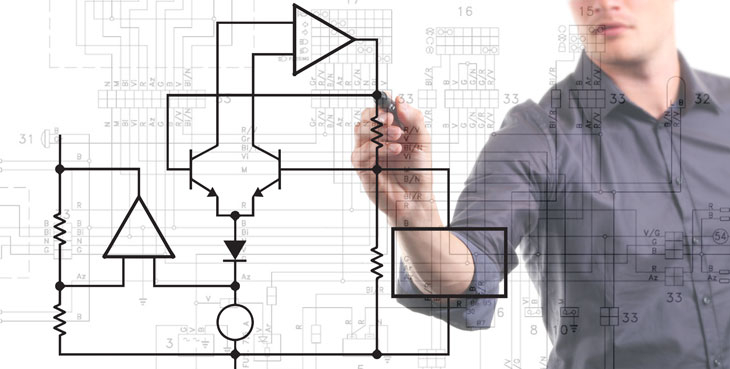
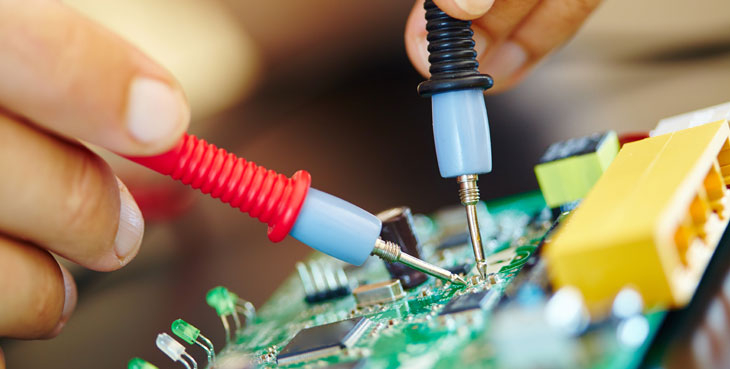
Electrical engineering is a central engineering discipline and deals with the generation, conversion, transmission and use of electrical energy. Originating from physics, today it forms the technical basis of numerous modern applications and systems.

The most important areas of application include energy and drive technology, electronics, automation and communications technology as well as electrical building and appliance technology. In patent law, innovations in electrical engineering are predominantly assigned to Section H of the International Patent Classification (IPC).

FAQ

It covers technical solutions relating to electrical energy, electronic systems, control systems and communication technology.

In particular automation technology, power electronics, drive technology, energy technology and electronic device development.

Technical innovations can be clearly demarcated and protected, for example through circuits, control processes or system architectures.

We examine patentability, formulate precise patent applications and represent your interests before national and international patent offices.

Contact person

Location Stuttgart, Heilbronn

Dr. Thomas Müller, LL.M.

Telephone

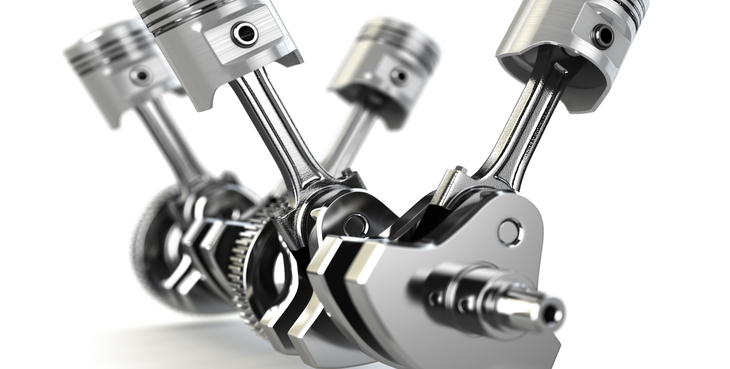
Automotive engineering

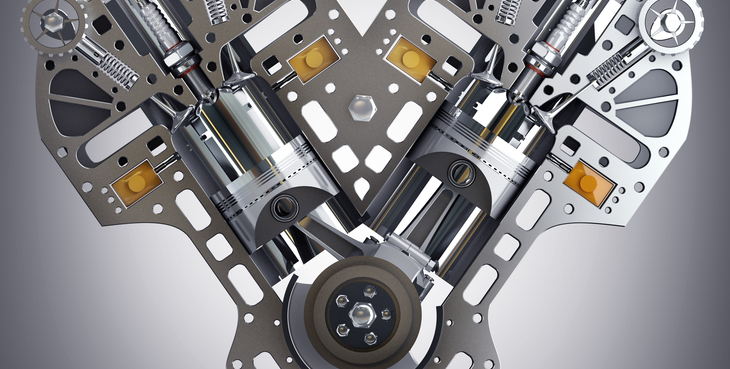
Automotive engineering is an interdisciplinary field that combines classic mechanical engineering with physics, electrical engineering, thermodynamics and fluid mechanics. It encompasses the development, construction and operation of vehicles of all kinds – from bicycles to airplanes.

The focus is on complete vehicle concepts as well as individual assemblies and components. These include systems to improve safety, control and comfort as well as innovative drive technologies, particularly from an ecological and sustainable perspective.

FAQ

It includes the technical development, optimization and operation of vehicles and their systems and components.

These include new drive concepts, safety-relevant systems, assistance systems and energy-efficient vehicle technologies.

Technical innovations can be specifically protected and secure competitive advantages in a highly innovation-driven market.

We examine protectability, prepare patent applications and support examination and enforcement proceedings both nationally and internationally.

Contact person

Location Stuttgart, Heilbronn

Dr. Thomas Müller, LL.M.

Telephone

Magdeburg location

Günter Herzog

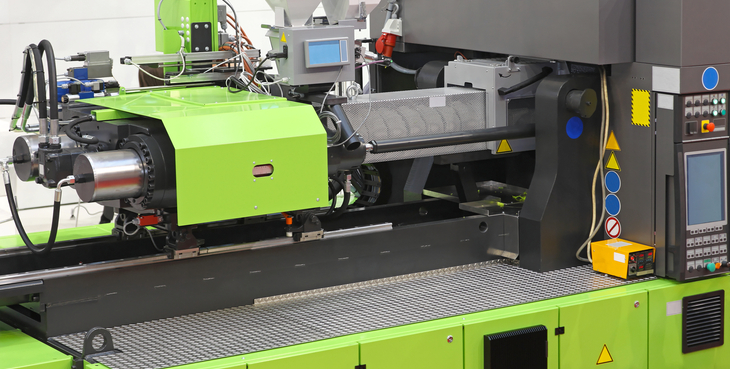
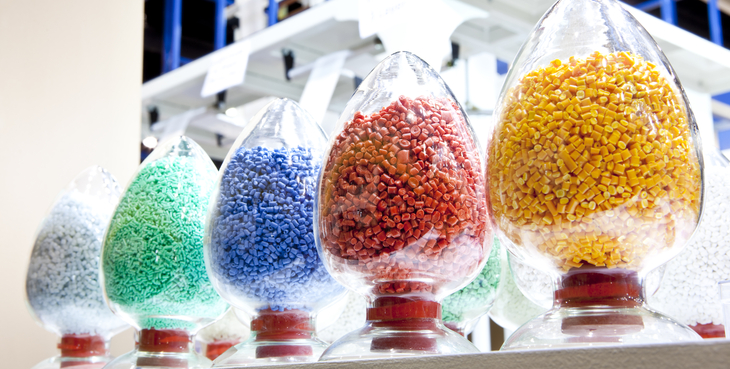
Plastics technology

Plastics technology emerged from process engineering and deals with the development, selection and application of plastics with specific physical, chemical and biological properties. It forms the basis for numerous industrial and technical innovations.

The focus is on the optimization of manufacturing processes, new application possibilities and the material and production-oriented design of components. In terms of patent law, developments in plastics technology are mainly assigned to sections A and B of the International Patent Classification (IPC).

FAQ

It includes the development, processing and application of plastics for technical and industrial purposes.

New plastic materials, manufacturing methods, process optimizations and constructive component solutions.

Usually patents and utility models, supplemented by design protection for shaping components.

We examine protectability, draft patent applications and support national and international proceedings.

Contact person

Location Stuttgart, Heilbronn

Dr. Thomas Müller, LL.M.

Telephone

Magdeburg location

Günter Herzog

Location Stuttgart

Dr. Knut Wittich, M. Sc.

Telephone

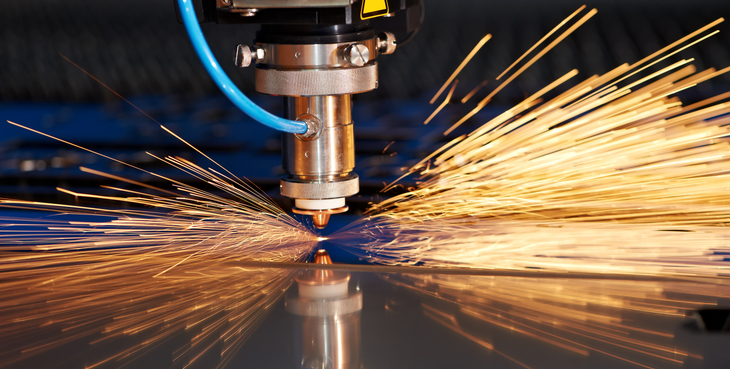
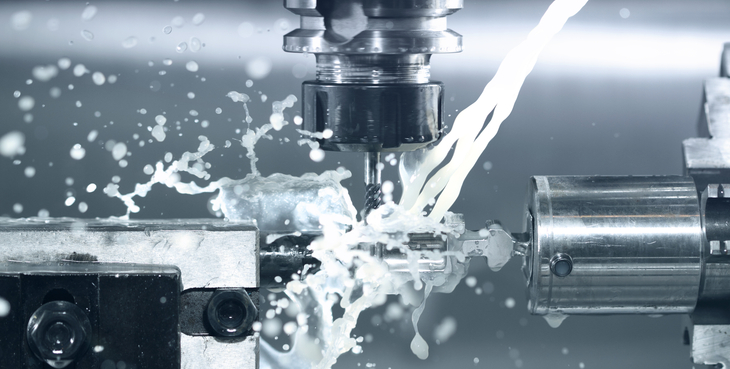
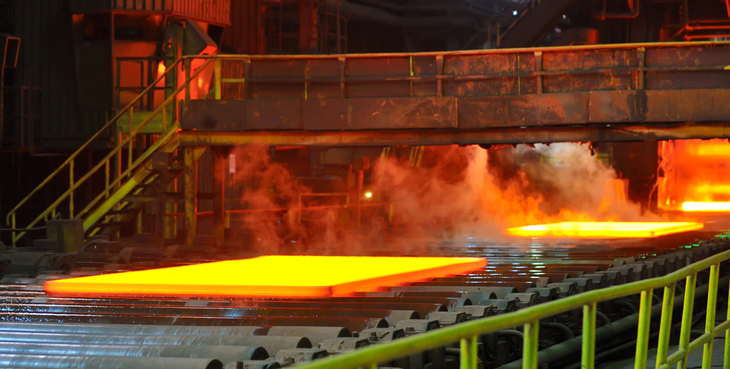
Metalworking industry

The metalworking industry is a central technological field and encompasses all processes for shaping, processing and refining metals. It forms the basis of numerous industrial products and technical applications.

The main areas include primary forming technology – including casting -, non-cutting forming technology, machining and surface finishing and material property modification processes. Material technology aspects such as hardening, tempering and coating also play a decisive role.

FAQ

It includes all processes for the production, shaping, processing and finishing of metallic workpieces and components.

These include casting, forging, rolling, pressing, turning, milling and surface and heat treatment processes.

Innovative manufacturing processes, tools or material treatments can be specifically protected and secure competitive advantages.

We examine the protectability of technical solutions, prepare patent applications and support national and international IP proceedings.

Contact person

Location Stuttgart, Heilbronn

Dr. Thomas Müller, LL.M.

Telephone

Magdeburg location

Günter Herzog

Location Stuttgart

Dr. Knut Wittich, M. Sc.

Telephone

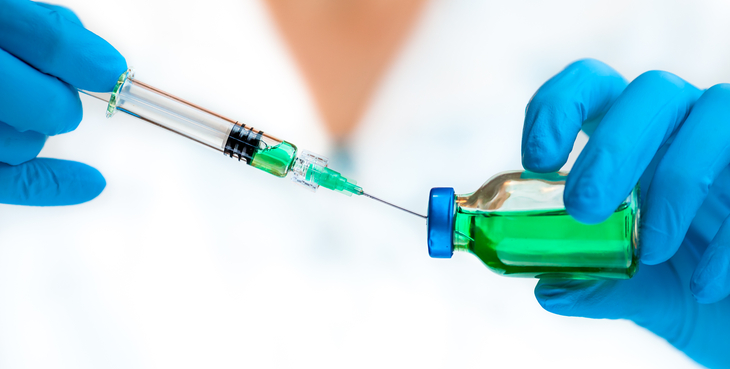
Medical technology

Medical technology – also known as biomedical technology – combines engineering principles with medical applications. It comprises technical solutions for diagnostics, therapy, rehabilitation and patient care and makes a significant contribution to the further development of modern medicine.

Key areas include medical devices, hospital technology, diagnostic systems, tissue engineering and medical informatics. In terms of patent law, medical technology inventions are predominantly assigned to Section A of the International Patent Classification (IPC), but can also be assigned to Sections G or H depending on the active principle.

FAQ

It includes technical solutions and devices for medical diagnostics, treatment, care and rehabilitation of humans and animals.

These include medical devices, diagnostic systems, digital applications and new therapeutic and rehabilitative technologies.

Medical technology developments require high investments and regulatory requirements – patent protection secures innovations in the long term.

We examine protectability, prepare precise patent applications and support national and international proceedings, taking into account the regulatory framework.

Contact person

Location Stuttgart, Heilbronn

Dr. Thomas Müller, LL.M.

Telephone

Magdeburg location

Günter Herzog

Location Stuttgart

Dr. Knut Wittich, M. Sc.

Telephone

Organic chemistry

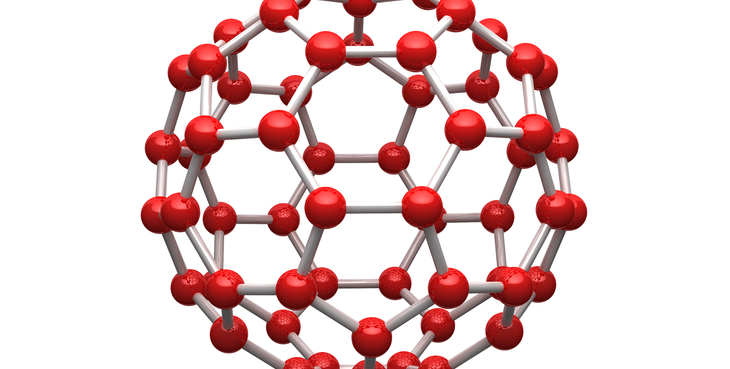
Organic chemistry deals with the production, structure and properties of hydrocarbon compounds. These play a central role in numerous applications, for example in materials, pharmaceuticals and everyday products.

In patent law, inventions in organic chemistry are mainly assigned to IPC classes C07 to C14, with class C07 being the main class and covering the majority of organic chemical innovations.

FAQ

It includes the development, synthesis and application of organic compounds for industrial, pharmaceutical and technical purposes.

New active ingredients, manufacturing processes, chemical compositions and improved reaction processes.

Organic chemical developments are often research-intensive – patent protection secures investments and market positions.

We examine protectability, prepare patent applications and support national and international IP proceedings.

Contact person

Location Stuttgart

Dr. Knut Wittich, M. Sc.

Telephone

Physics

Physics deals with the fundamental properties and phenomena of nature and describes them using mathematical models and laws. It ranges from the study of subatomic processes to cosmic structures and is closely linked to chemistry and astronomy.

A fundamental distinction is made between theoretical physics and experimental physics, which are in constant interaction. In patent law, physical inventions are primarily assigned to Section G of the International Patent Classification (IPC), in particular the fields of instruments and nuclear physics.

FAQ

It includes theoretical and experimental research into the laws of physics and their technical application.

Measuring and testing methods, physical devices, new active principles and technical applications of physical effects.

Physical innovations often form the basis of new technologies and can be specifically protected by patents.

We examine protectability, draft patent applications and assist in national and international IP proceedings.

Contact person

Location Stuttgart, Heilbronn

Dr. Thomas Müller, LL.M.

Telephone

Location Stuttgart

Dr. Knut Wittich, M. Sc.

Telephone

Physical chemistry

Physical chemistry is a key interdisciplinary discipline between chemistry and physics. It investigates the physical principles of chemical processes and describes material properties and transformations using theoretical and experimental methods.

The focus is on quantitative statements on states, reactions and transformations of substances. Central areas of work are thermodynamics, the kinetics of chemical reactions and spectroscopy. Physical chemistry thus forms an essential basis for technical chemistry, process engineering and numerous other disciplines.

FAQ

It deals with the physical laws of chemical processes and the quantitative description of material properties and reactions.

Theoretical, experimental and mathematical methods are used, particularly in thermodynamics, kinetics and spectroscopy.

New measurement methods, models or process approaches can be specifically protected and often form the basis of technical innovations.

We examine protectability, formulate precise patent applications and accompany national and international IP proceedings.

Contact person

Location Stuttgart, Heilbronn

Dr. Thomas Müller, LL.M.

Telephone

Location Stuttgart

Dr. Knut Wittich, M. Sc.

Telephone

Technical chemistry and chemical process engineering

Technical chemistry deals with chemical reactions and processes in a technical and industrial context. It ranges from testing on a laboratory and pilot plant scale to implementation in industrial production processes.

A central focus is on both the optimization of existing processes and the development of new processes. Chemical process engineering complements this specialist area with the targeted investigation and design of material conversions. In terms of patent law, corresponding inventions are predominantly assigned to Section B of the patent classification.

FAQ

It includes the development, optimization and technical implementation of chemical reactions and production processes.

It focuses on the investigation and design of material transformations within technical processes.

New processes and process optimizations can be specifically protected and secure economic competitive advantages.

We examine protectability, prepare patent applications and assist in national and international IP proceedings.

Contact person

Location Stuttgart

Dr. Knut Wittich, M. Sc.

Telephone

Environmental technology

Environmental engineering – also known as environmental protection engineering – is a comparatively young, interdisciplinary engineering discipline. It develops technical solutions to protect the environment, reduce emissions and restore damaged ecosystems.

The focus is on the integration of environmental protection into production processes and products as well as the processing and recycling of unavoidable waste and by-products. Central areas of application include waste and recycling technology, wastewater treatment, water and soil protection, emission and noise protection as well as measurement technology for environmental monitoring. Under patent law, the classification of environmental inventions is based on their application or the underlying technical operating principle.

FAQ

It includes technical processes and systems to protect the environment, reduce emissions and use resources sustainably.

These include waste and recycling technology, wastewater treatment, air pollution control, environmental measurement technology and water and soil protection.

Innovative environmental technologies make an important contribution to climate protection and can be economically protected by patents.

We examine the protectability of technical solutions, develop suitable protection strategies and support national and international IP proceedings.

Contact person

Location Stuttgart, Heilbronn

Dr. Thomas Müller, LL.M.

Telephone

Magdeburg location

Günter Herzog

Location Stuttgart

Dr. Knut Wittich, M. Sc.

Telephone

Process engineering

Process engineering is an interdisciplinary engineering science that combines biology, chemistry, physics and mechanical engineering. It deals with the technical conversion of substances, in which products are created from starting materials using chemical-physical or biological processes.

A central goal of process engineering is the optimization of technical processes under given boundary conditions. In the process, recognized scientific correlations are made technically usable in a targeted manner, often within the framework of networked production networks. The most important sub-disciplines include biological, chemical, mechanical and thermal process engineering as well as environmental and interfacial process engineering.

FAQ

It includes the development, design and optimization of technical processes for material conversion in industry and technology.

These include chemical and thermal process engineering, bioprocess engineering, mechanical process engineering and environmental engineering.

New process designs, system concepts or process combinations can be specifically protected and economically utilized.

We examine protectability, prepare patent applications and support national and international IP proceedings.

Contact person

Magdeburg location

Günter Herzog

Location Stuttgart

Dr. Knut Wittich, M. Sc.

Telephone

Materials technology & testing

Materials engineering is a central area of materials science and deals with the development, improvement and targeted adjustment of material properties. The focus is on new and optimized materials as well as suitable processing and treatment methods for technical applications.

In addition to the actual development of materials, aspects such as corrosion protection, coating and surface technology as well as tribology play an important role. Materials technology is complemented by materials testing, which provides reliable information about the behavior of materials and components under mechanical, thermal or chemical stress. Both destructive and non-destructive testing methods are used. In terms of patent law, innovations in this field are predominantly assigned to sections F and G of the International Patent Classification (IPC).

FAQ

It includes the development, optimization and application of metallic, ceramic, polymer and functional materials for technical purposes.

It is used to analyze and evaluate material properties and component behavior under real operating conditions.

Destructive testing methods and non-destructive methods such as ultrasonic, magnetic or radiographic testing are used.

New materials, treatment processes or testing technologies can be specifically protected and secure technological competitive advantages.

We examine protectability, develop suitable protection strategies and support patent applications and international IP proceedings.

Contact person

Magdeburg location

Günter Herzog

Location Stuttgart

Dr. Knut Wittich, M. Sc.

Telephone

Arrange an appointment with your patent attorney now

Whether in Stuttgart, Magdeburg or Heilbronn – our patent attorneys will advise you personally on patent and trademark protection, utility models and design protection. Ensure the protection of your innovations and arrange your consultation today.

Monday 09:00-12:00, 13:00-17:00
Tuesday 09:00-12:00, 13:00-17:00
Wednesday 09:00-12:00, 13:00-17:00
Thursday 09:00-12:00, 13:00-17:00
Friday 09:00-14:00
Saturday Closed
Sunday Closed
Monday 09:00-12:00, 13:00-17:00
Tuesday 09:00-12:00, 13:00-17:00
Wednesday 09:00-12:00, 13:00-17:00
Thursday 09:00-12:00, 13:00-17:00
Friday 09:00-14:00
Saturday Closed
Sunday Closed